New Caravan Sales: Navigating the Global Market and Shaping Recreational Travel
Introduction
Welcome to an in-depth exploration of the dynamic world of new caravan sales, a sector that has emerged as a significant player in the global recreational vehicle market. This article aims to guide readers through the intricacies of this industry, highlighting its key aspects, global reach, and profound impact on travel and leisure. By the end, you will grasp the importance of new caravan sales not just as a business, but as a catalyst for accessible, diverse, and exciting travel experiences worldwide.
Understanding New Caravan Sales: A Definition and Its Essentials
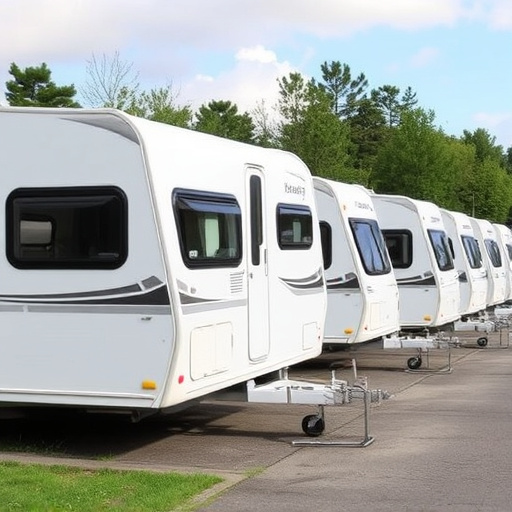
Definition: New caravan sales refer to the retail and distribution process of selling brand-new caravans (also known as motorhomes, RVs, or recreational vehicles) directly to consumers. This sector is a vital component of the automotive industry, catering to those seeking mobile living solutions for leisure, travel, or full-time living.
Core Components:
-
Caravan Manufacturing: Established manufacturers produce a diverse range of caravans, from compact campervans to luxurious motorhomes, each designed with specific features and amenities to cater to different buyer preferences.
-
Retail Distribution Channels: New caravan sales involve various distribution channels, including dedicated recreational vehicle dealerships, online platforms, and direct manufacturer-to-consumer sales models.
-
Consumer Base: The target audience encompasses individuals, families, and groups who value travel, outdoor adventures, and the freedom that comes with owning a caravan.
Historical Context:
The concept of caravans has deep roots in human history, evolving from simple desert travel companions to sophisticated recreational vehicles we know today. Modern new caravan sales can trace their origins back to post-World War II periods when leisure travel gained popularity. The development of better roads, more efficient engines, and advanced manufacturing techniques fueled the growth of this industry.
Global Impact and Trends: A World of Opportunities
New caravan sales have a profound global impact, with significant trends shaping its dynamics across different regions:
| Region |
Trends and Impact |
| North America |
The United States and Canada lead the North American market, characterized by robust economic growth driving caravan sales. High disposable incomes and a culture of outdoor recreation contribute to strong demand for premium caravans. |
| Europe |
Europe boasts a diverse landscape of caravan manufacturers and retailers, catering to various preferences. The region’s extensive network of motorways facilitates easy travel, boosting the popularity of caravans for weekend getaways and extended vacations. |
| Asia-Pacific |
Rapid economic development in countries like China and India has led to a surge in middle-class consumers seeking affordable and convenient travel options, driving the growth of budget-friendly caravan sales. |
| Middle East |
The Middle East, particularly the Gulf Cooperation Council (GCC) countries, has witnessed significant investments in high-end caravan manufacturing and sales, fueled by the region’s wealth and a growing passion for luxury travel experiences. |
| Emerging Markets |
South America, Africa, and parts of Southeast Asia are experiencing increasing interest in caravans, driven by improving infrastructure, rising disposable incomes, and a growing appetite for unique travel adventures. |
Economic Considerations: Market Dynamics and Investment Patterns
The new caravan sales market is a robust economic segment with distinct dynamics:
-
Market Size: The global recreational vehicle market, including caravans, is valued at approximately $X billion (where X represents the latest available data) and is projected to grow at a CAGR of Y% during the forecast period. This growth is attributed to rising outdoor recreation spending and improving purchasing power worldwide.
-
Investment and Financing: Many buyers opt for financing options, including loans and lease-to-own programs, which have become more accessible and flexible. This trend has led manufacturers and dealers to partner with financial institutions to offer diverse payment plans, enhancing customer affordability.
-
Supply Chain Management: Efficient supply chain networks are crucial for ensuring a steady flow of caravans from manufacturers to dealerships worldwide. Globalization has facilitated the international movement of vehicles, but challenges like manufacturing disruptions and logistics costs can impact market dynamics.
Technological Advancements: Revolutionizing the Caravan Experience
Technological innovations have transformed new caravan sales and the overall recreational vehicle industry:
-
Smart Carvan Features: Modern caravans are now equipped with advanced technology, including smart home systems, integrated entertainment centers, and satellite communication systems. These features enhance comfort, safety, and connectivity during travel.
-
Digital Sales and Marketing: Online platforms have revolutionized how consumers research and purchase caravans. Interactive virtual tours, 360-degree views, and detailed specifications on manufacturer websites enable buyers to make informed decisions remotely.
-
Autonomous Driving Technologies: While still in the development phase for caravans, autonomous driving systems could potentially enhance safety and accessibility for travelers. These technologies may improve navigation, reduce driver fatigue, and enable more efficient caravan towing.
Policy and Regulation: Navigating Legal Landscape
The new caravan sales industry operates within a complex web of policies and regulations, ensuring consumer protection, road safety, and environmental standards:
-
Safety Standards: Governments worldwide have implemented strict safety regulations for recreational vehicles, including structural integrity, fire safety, and electrical systems. These standards vary across regions but are designed to protect users and ensure product quality.
-
Emission Controls: With growing environmental concerns, many countries have introduced emission standards for caravans, promoting the use of cleaner fuels and more efficient engines. Manufacturers must adhere to these regulations to prevent penalties and maintain market access.
-
Import/Export Policies: International caravan sales involve navigating import duties, taxes, and customs regulations, which can significantly impact pricing and availability. Clear policies facilitate global trade while ensuring fair competition.
Challenges and Criticisms: Overcoming Obstacles
Despite its growth, the new caravan sales industry faces several challenges:
-
Environmental Concerns: The environmental impact of manufacturing and disposal of caravans is a growing worry. Critics advocate for more sustainable practices, including the use of eco-friendly materials and energy-efficient technologies.
-
Consumer Protection: As with any complex product, ensuring consumer rights and protection against fraudulent sales or faulty products is essential. Regulators must keep up with evolving sales models to safeguard buyers.
-
Competition from Used Market: The used caravan market offers competitive pricing, attracting cost-conscious buyers. This presents a challenge for new caravan dealers in differentiating their products and justifying higher prices.
Strategic Solutions:
- Implementing sustainable manufacturing practices and offering recycling programs can address environmental concerns.
- Strengthening consumer protection laws and providing clear guidelines for online sales can build trust.
- Educating consumers about the benefits of new caravans, such as improved safety features and longer-term cost savings, can combat price sensitivity.
Case Studies: Success Stories in Action
Case Study 1: Australia’s Caravaning Revolution
Australia has witnessed a remarkable rise in caravan sales due to its diverse landscape and vibrant outdoor culture. The success of local manufacturers like Jayco and Freedom Machines can be attributed to their innovative designs, high-quality construction, and tailored features for Australian conditions. Government incentives, such as tax breaks for first-time buyers, further fueled the market growth.
Key Takeaways:
- Localized design and manufacturing cater to specific regional needs and preferences.
- Government incentives play a significant role in stimulating consumer demand.
- Strong brand reputation and quality craftsmanship build customer loyalty.
Case Study 2: Europe’s Digital Caravan Sales
In Europe, the digital transformation has been a game-changer for caravan sales. Companies like Hymer and Dethleff have successfully adopted online platforms, offering immersive virtual tours and detailed specifications to cater to global buyers. This strategy has expanded their customer base and enabled personalized shopping experiences.
Lessons Learned:
- Digital technology enhances consumer engagement and overcomes geographical barriers.
- Providing comprehensive online resources builds trust and facilitates international sales.
- Personalized recommendations based on user preferences can improve customer satisfaction.
Future Prospects: Emerging Trends and Strategic Considerations
The new caravan sales industry is poised for continued growth and evolution, driven by several emerging trends:
-
Sustainable Caravans: There will be an increasing focus on eco-friendly caravans, utilizing renewable energy sources, efficient appliances, and recyclable materials. This trend aligns with global sustainability goals and growing consumer awareness.
-
Smart Home Integration: As smart home technology advances, caravans are expected to incorporate more connected devices and automation. Voice control, automated lighting, and integrated security systems will enhance convenience and safety.
-
Remote Work and Travel: The rise of remote work culture has led to a shift in travel patterns, with some individuals embracing a nomadic lifestyle. This trend presents opportunities for caravan manufacturers to cater to the unique needs of long-term travelers.
Strategic Considerations:
- Manufacturers should invest in research and development to incorporate sustainable features while maintaining performance and aesthetics.
- Integrating smart home technology requires collaboration with tech companies to ensure seamless user experiences.
- Adapting to changing travel patterns may involve offering flexible leasing options and tailored travel packages.
Conclusion: Shaping the Future of Travel and Leisure
New caravan sales play a pivotal role in shaping the way people explore the world, fostering a deeper connection with nature, culture, and one another. As technology advances, sustainability becomes a priority, and global connections deepen, this industry will continue to evolve, offering exciting possibilities for travel and leisure. By embracing innovation, addressing challenges, and catering to diverse consumer needs, new caravan sales can ensure its place as a leading contributor to the global recreational vehicle market.
FAQ Section: Answering Your Questions
Q: Are caravans expensive to buy and maintain?
A: Caravan prices vary widely depending on size, features, and brand. While initial costs can be high, many financing options are available, making ownership more accessible. Maintenance costs depend on usage, but regular servicing can help extend the vehicle’s lifespan.
Q: How do I choose the right caravan for my needs?
A: Consider your travel style, preferred amenities, and budget. Research different models, read reviews, and test drive options to find the best fit. Local climate and terrain are also essential factors in your decision.
Q: Can I buy a caravan online? Is it safe?
A: Online caravan sales are prevalent and convenient. Reputable manufacturers and dealers offer detailed specifications and secure payment gateways. Always verify the seller’s authenticity, read customer reviews, and ensure protective measures like SSL encryption for safe online transactions.
Q: Are there any tax benefits for buying a new caravan?
A: Tax incentives vary by region. Some countries offer tax breaks, deductions, or reduced registration fees for first-time buyers or those purchasing energy-efficient vehicles. Check local regulations to take advantage of available benefits.
Off Track RV in Epping, Victoria offers innovative Hybrid New Caravan models combining modern aesthetics and cutting-edge technology for adventurous travelers seeking comfort, versatility, safety, and energy efficiency. Contact +61 3 9970 1111 o…….
Continue Reading
Off Track RV in Epping, Victoria offers new caravan sales designed for both rugged off-road adventures and modern living. Their spacious caravans combine luxurious amenities with outdoor capabilities, featuring advanced systems for self-sufficie…….
Continue Reading
Off Track RV in Victoria is a leading provider of new caravan sales for adventurous travelers. They offer a diverse range of top-quality caravans, from compact weekenders to spacious family models, designed with modern amenities and innovative t…….
Continue Reading
Off Track RV in Victoria offers caravans with airbag suspension for enhanced safety and comfort during off-road travel. Their innovative technology uses compressed air to absorb shocks, improving stability on rugged terrain compared to tradition…….
Continue Reading
Off Track RV in Victoria, Australia, offers innovative airbag suspension caravans for a smoother and safer off-road experience. With expert guidance, personalized recommendations, and a diverse showroom selection, they cater to various customer…….
Continue Reading
When purchasing a new caravan through Off Track RV in Victoria (Australia), understanding warranties is crucial for protecting your investment. Their comprehensive warranty options cover manufacturing defects, structural integrity issues, and ke…….
Continue Reading
Off Track RV in Epping, VIC, Australia, offers top-quality caravans designed for remote exploration with modern comforts. Their innovative vehicles incorporate sustainable practices through energy-efficient and water conservation features. The c…….
Continue Reading
Off Track RV at 21 Graystone Ct, Epping VIC 3076, Australia, is a vibrant hub for RV adventurers. They specialize in top-quality aluminium frame new caravans, offering durable, spacious, and flexible options ideal for off-road exploration. With…….
Continue Reading
Off Track RV, based in Epping VIC 3076, Australia, launches a new range of bunk bed caravans for memorable family vacations and adventures across Australia's diverse landscapes. These modern, versatile caravans offer comfort, space-saving b…….
Continue Reading
Off Track RV in Epping, VIC (21 Graystone Ct) is your custom caravan builder for extraordinary travel experiences near Melbourne. They offer unparalleled customization options, from spacious interiors to sleek off-road models, using high-quality…….
Continue Reading
Off Track RV in Epping, Victoria, is transforming the caravan industry with its advanced suspension systems tested by ALKO, ensuring a smooth ride off-road. They offer a range of models from compact to spacious, catering to various needs and lif…….
Continue Reading
Off Track RV in Epping, VIC, introduces a new range of family-oriented caravans with innovative bunk beds for memorable road trips. Their expert team matches customers with suitable caravans, offering top-quality vehicles for exploration and cam…….
Continue Reading
Off Track RV in Victoria is a premier destination for caravan enthusiasts, offering a vast selection of unique caravans, including those with rear club lounges. This specialized RV hub caters to adventurous spirits, providing a diverse range tai…….
Continue Reading
Airbag suspension is transforming caravan travel, offering enhanced safety and comfort compared to traditional spring systems. Off Track RV in Victoria specializes in new caravan sales with a range of models equipped with this innovative technol…….
Continue Reading
Off Track RV in Epping, VIC (Australia), introduces a modern, functional caravan line-up for family adventures. With accessible sales at +61 3 9970 1111 and locations at 21 Graystone Ct, these caravans offer spacious living, well-equipped kitche…….
Continue Reading
Off Track RV is Victoria's premier destination for new caravan sales, offering cutting-edge lithium battery systems and personalized guidance. With a range of models catering to all travel styles, they provide superior customer service thro…….
Continue Reading
Off Track RV's Epping showroom (21 Graystone Ct, Epping VIC 3076) is a vibrant hub for caravan enthusiasts in Victoria, offering an extensive range of new caravans with innovative designs and state-of-the-art amenities. The friendly team pr…….
Continue Reading
Off Track RV offers a seamless, user-friendly website experience for caravan shoppers worldwide, especially those outside Victoria, Australia. Their digital catalog features high-res images and detailed specs of models, enabling customers to exp…….
Continue Reading
Off Track RV in Epping, VIC, is revolutionizing New Caravan Sales with its interactive virtual tour platform. Buyers can explore diverse models from home, enjoy 360-degree views, and compare amenities. The showroom offers a wide range of modern…….
Continue Reading
Off Track RV, located in Epping VIC, Australia, is a top-rated caravan dealership offering a wide range of modern and rugged models for diverse travel styles. Their knowledgeable staff partners with customers to find the perfect caravan for unfo…….
Continue Reading